New groups open for autumn: see the start dates

For MBSR-trainers
You know mindfulness.
Now bring it to children.
You already know how to practise and teach mindfulness. Learn how to translate that experience into a method created specifically for children, with language, exercises and materials that meet them where they are.
YOU KNOW THE DIFFERENCE
Children are not small adults
The foundations of mindfulness stay the same. The way you bring them to children does not.
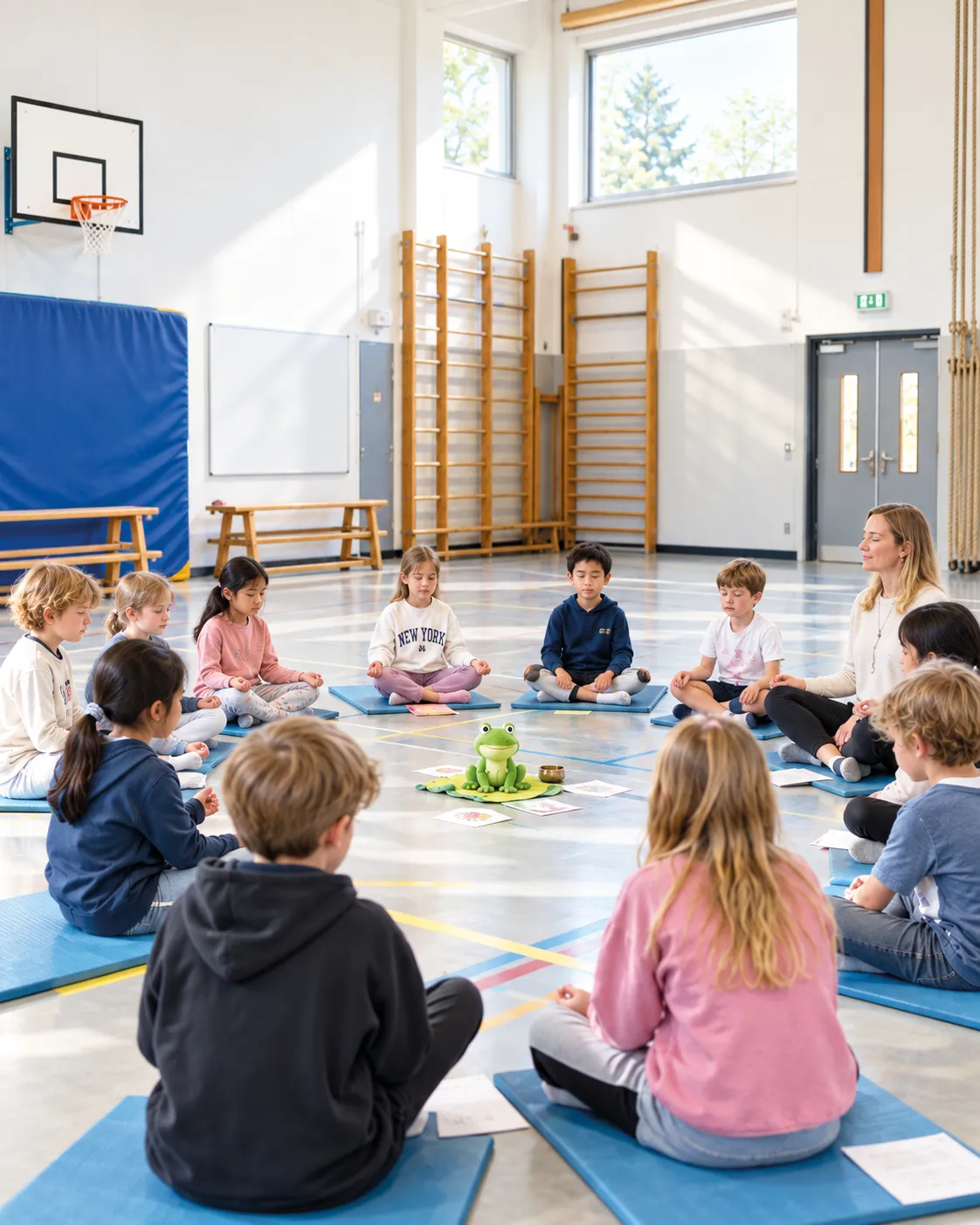
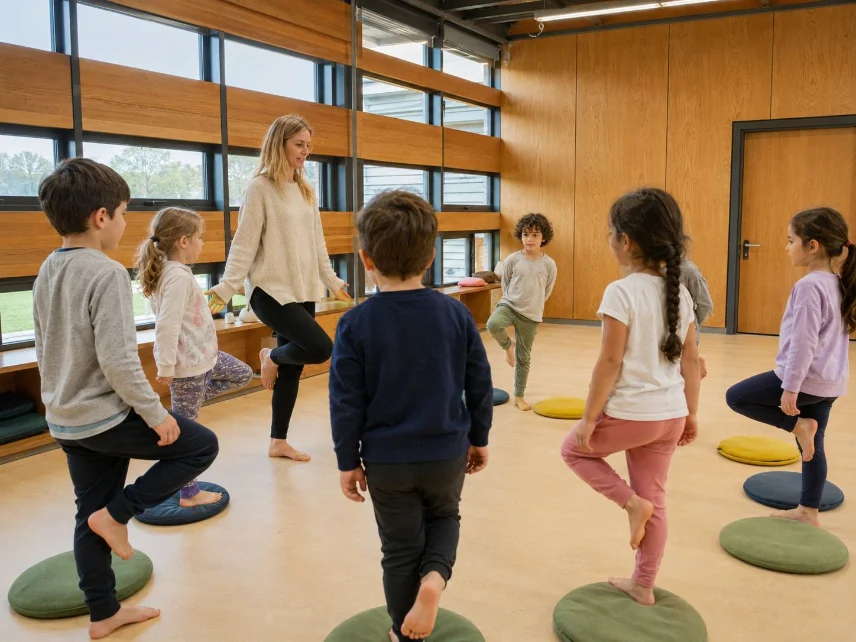
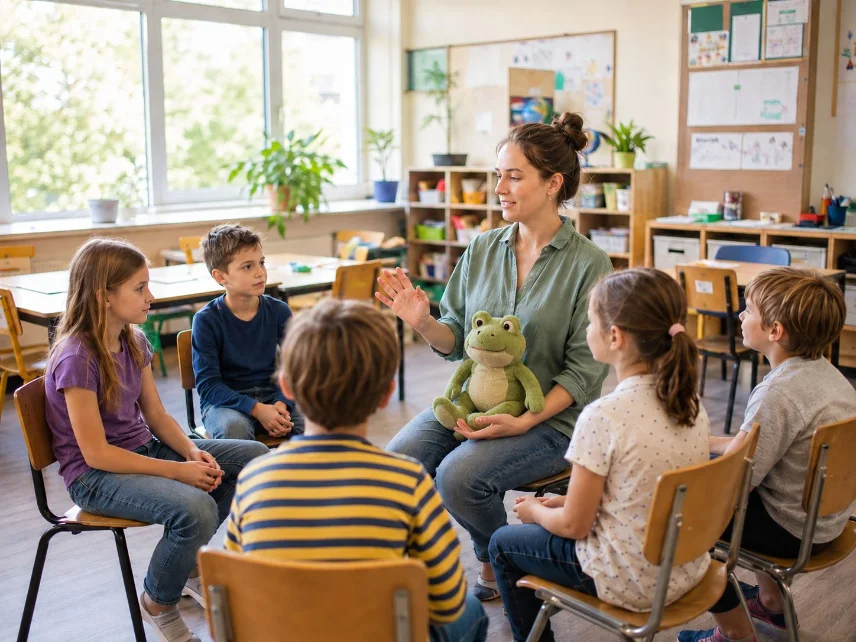
Children need a different language, a different pace and different ways into the practice. Through stories, movement, imagination and simple exercises, mindfulness becomes something they can understand, experience and use in their everyday lives.
What you already know stays at the heart of it. You learn how to make it theirs.
What changes
Same practice. Different doorway
You do not need to relearn mindfulness. You learn how to translate it into a form that fits the way children experience their world.
Speak their language
Make abstract ideas concrete, simple and meaningful for children.
Bring it into the body
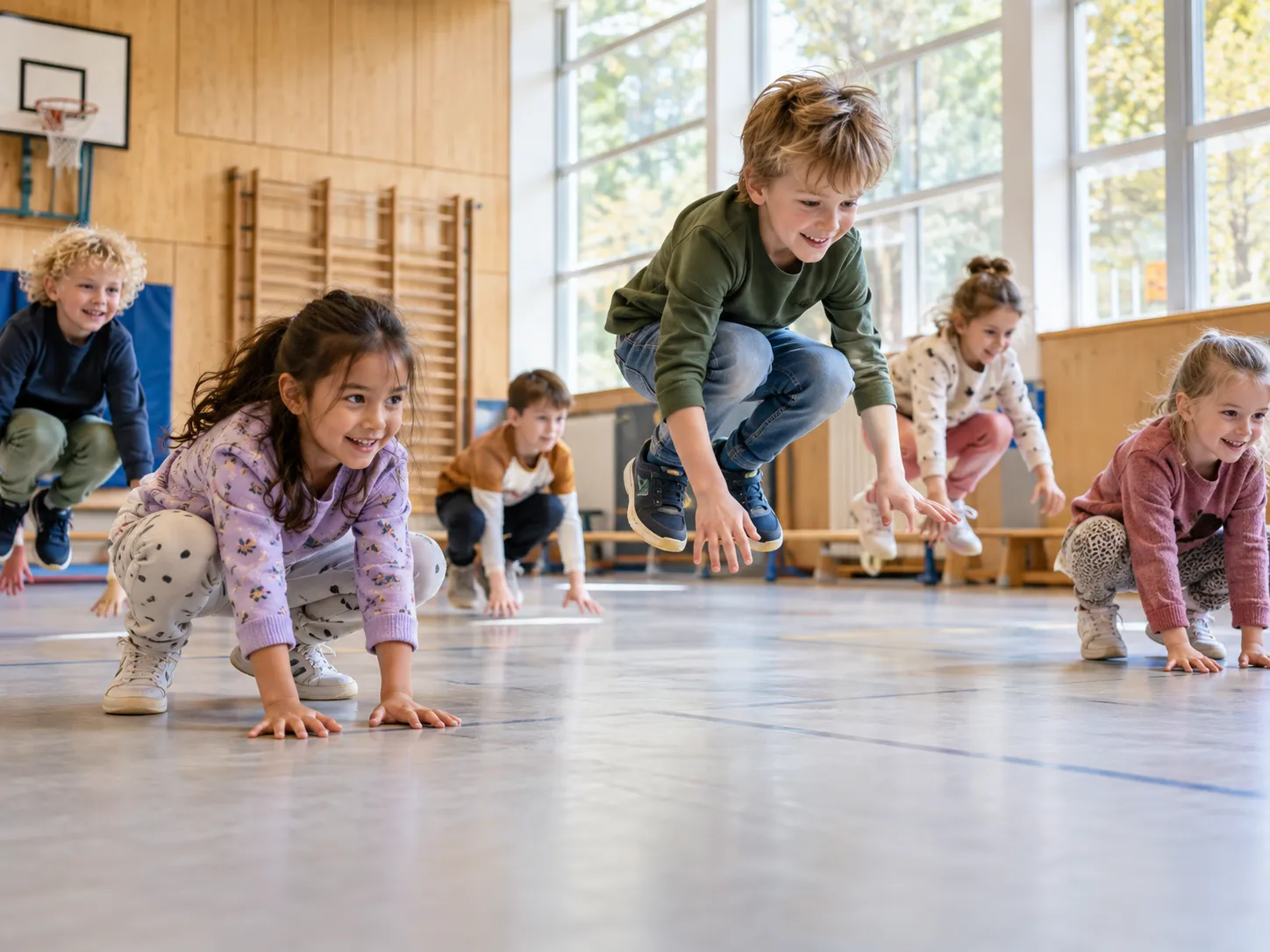
Use movement, the senses and short practices to help children experience mindfulness rather than understand it intellectually.
Make room for play
Stories, imagination and curiosity become part of the way you teach.

The impact
How far this can reach
You already know what mindfulness can offer adults. This training gives you a way to bring that practice to children too.
Bring your existing mindfulness practice and teaching experience.
Learn to notice what is happening in their body, thoughts and feelings.
The practice moves with them into school, home, friendships and difficult moments.
They take these skills with them into the next stages of their lives.
Mindfulness, introduced early.
A practice they can return to again and again as they grow.
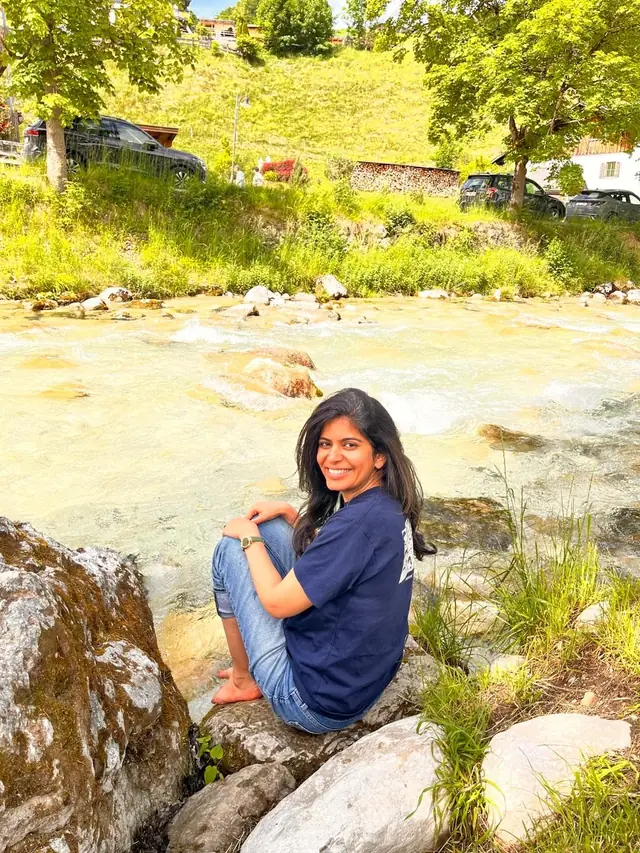
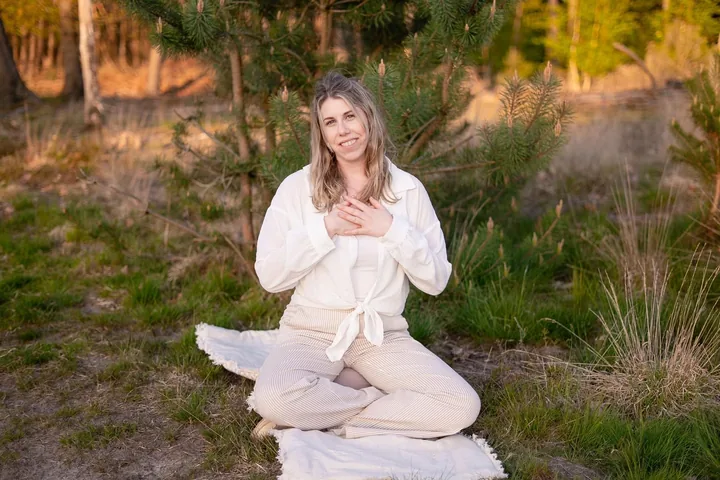
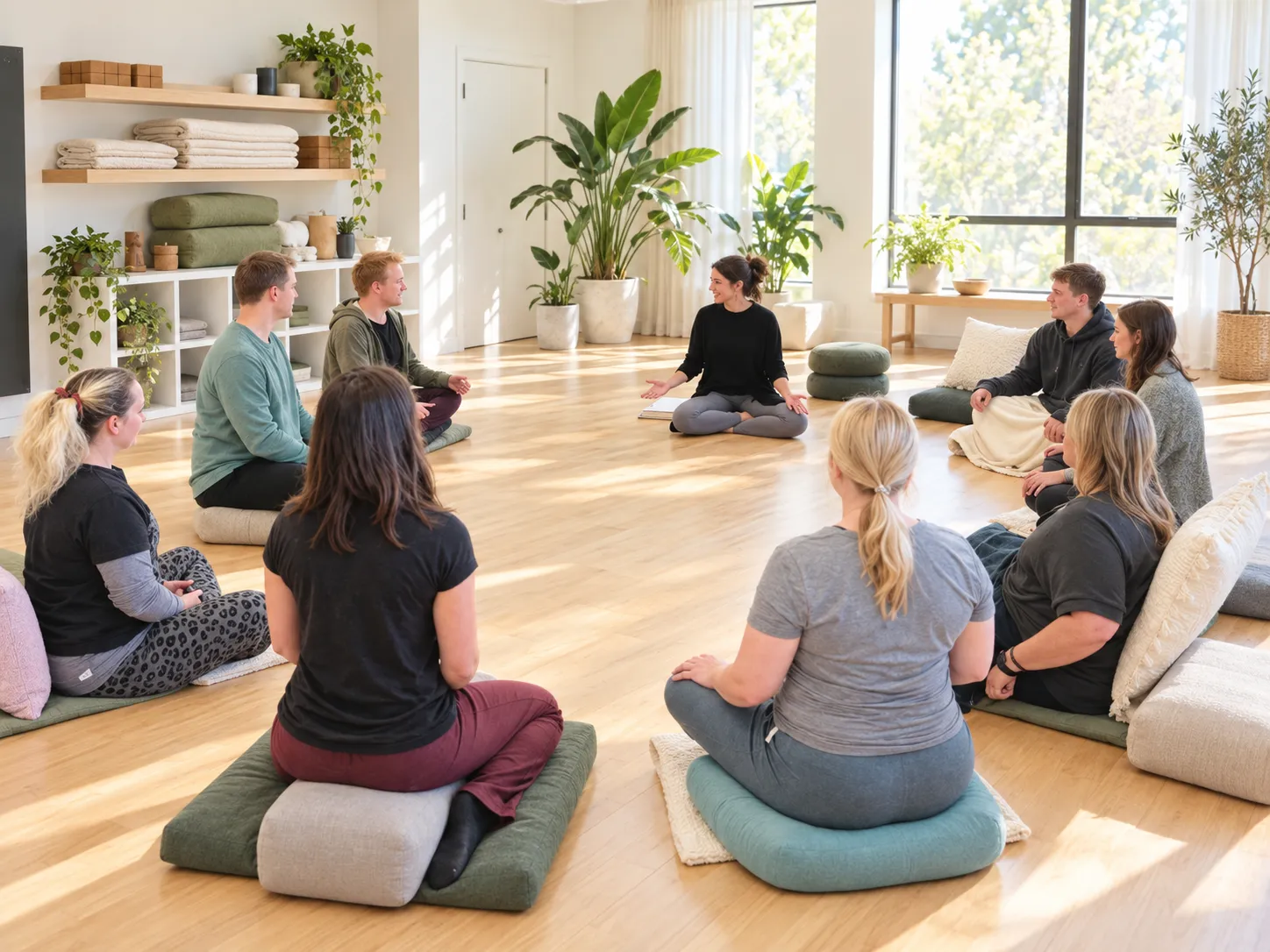
What the course did for them
Trainers who came before you

AND SOMETHING YOU MAY NOT EXPECT
It changes your teaching too
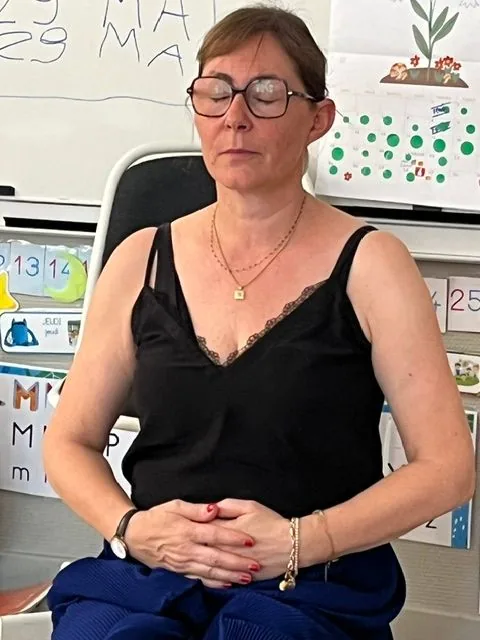
Teaching mindfulness to children asks you to come back to the essence. To use fewer words. To stay close to direct experience. To be curious, responsive and present.
Learning to teach children can bring a new simplicity and freshness to a practice you already know well. And you may find yourself taking some of that back into the way you work with adults too.

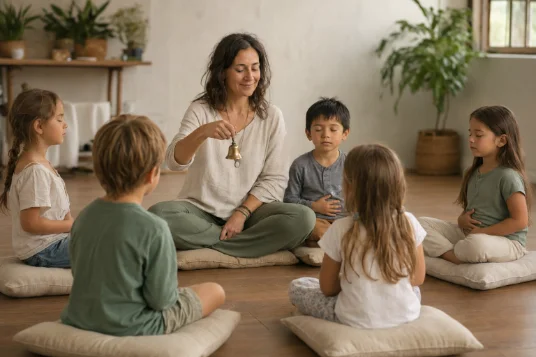
Bring your practice to a new generation
You already have the foundation. Learn how to translate it into a form that children and young people can make their own.