New groups open for autumn: see the start dates

Why a mindful school?
Build attention and resilience into everyday school life
At a Mindful School, mindfulness is not a temporary project or an extra programme on the timetable. It is part of the school’s everyday culture, woven into the way teachers teach, children learn and people relate to one another. Teachers learn how to support attention, awareness and resilience in the classroom. In this way, children develop skills that help them relate more consciously to themselves and the world around them, both at school and in everyday life.
Lasting change starts with the people who are already there
For mindfulness to have a lasting place in school, it needs to live in everyday practice. That is why we train and certify your own teachers in the Eline Snel Method. They learn not only what to teach, but how to bring attention into the classroom in a natural and practical way.
Over time, the method becomes part of how teachers respond, how children learn to pause and notice, and how the school supports wellbeing and resilience.

Why it matters
Good education helps children grow from the inside out
Children need more than knowledge alone. They also need to learn how to notice what is happening inside them, handle emotions and pressure, make conscious choices and stay connected to themselves and others. Attention, self-regulation and resilience are skills that can be practised, throughout the school years and in everyday moments.
For the children
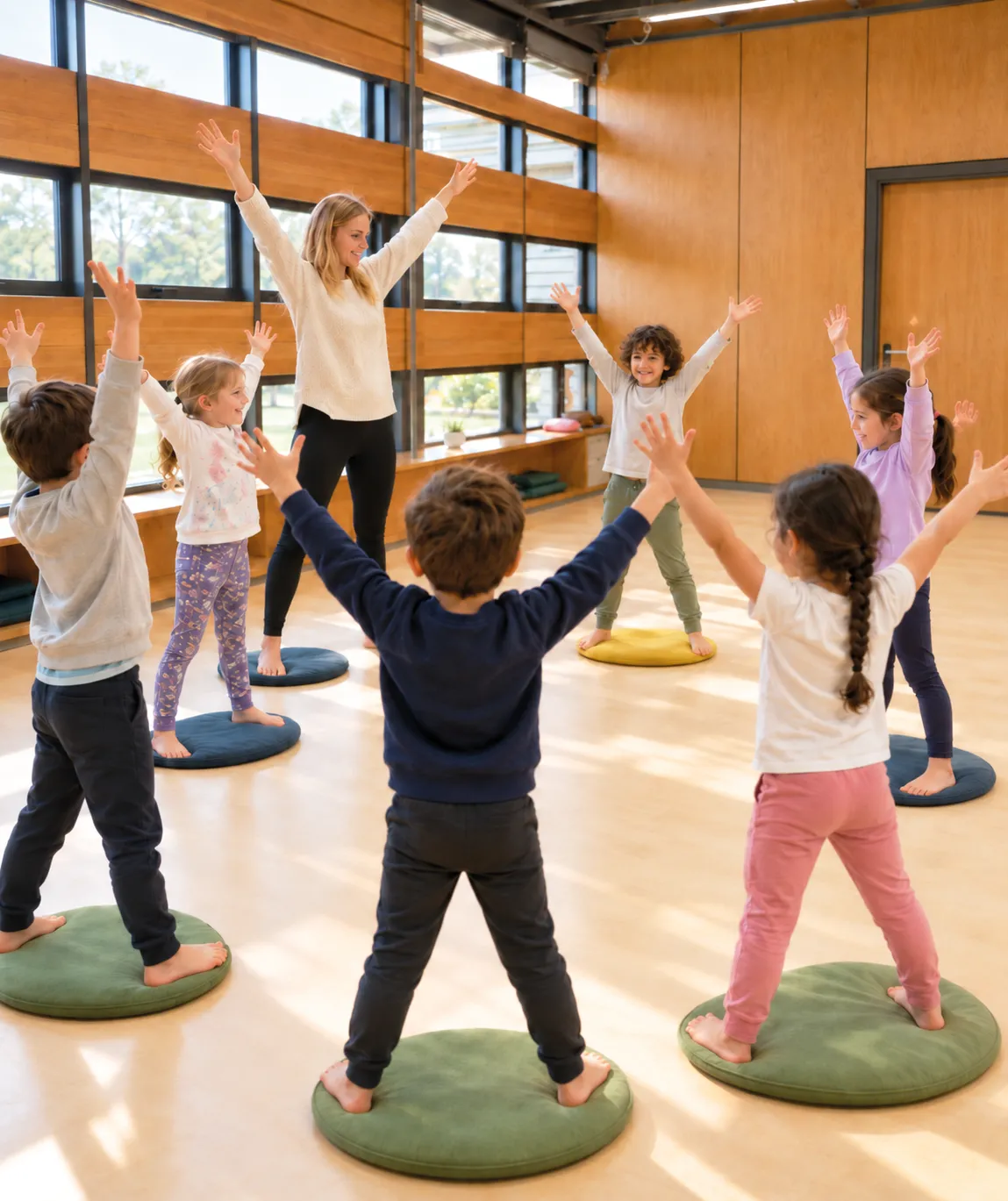
Notice, pause, choose
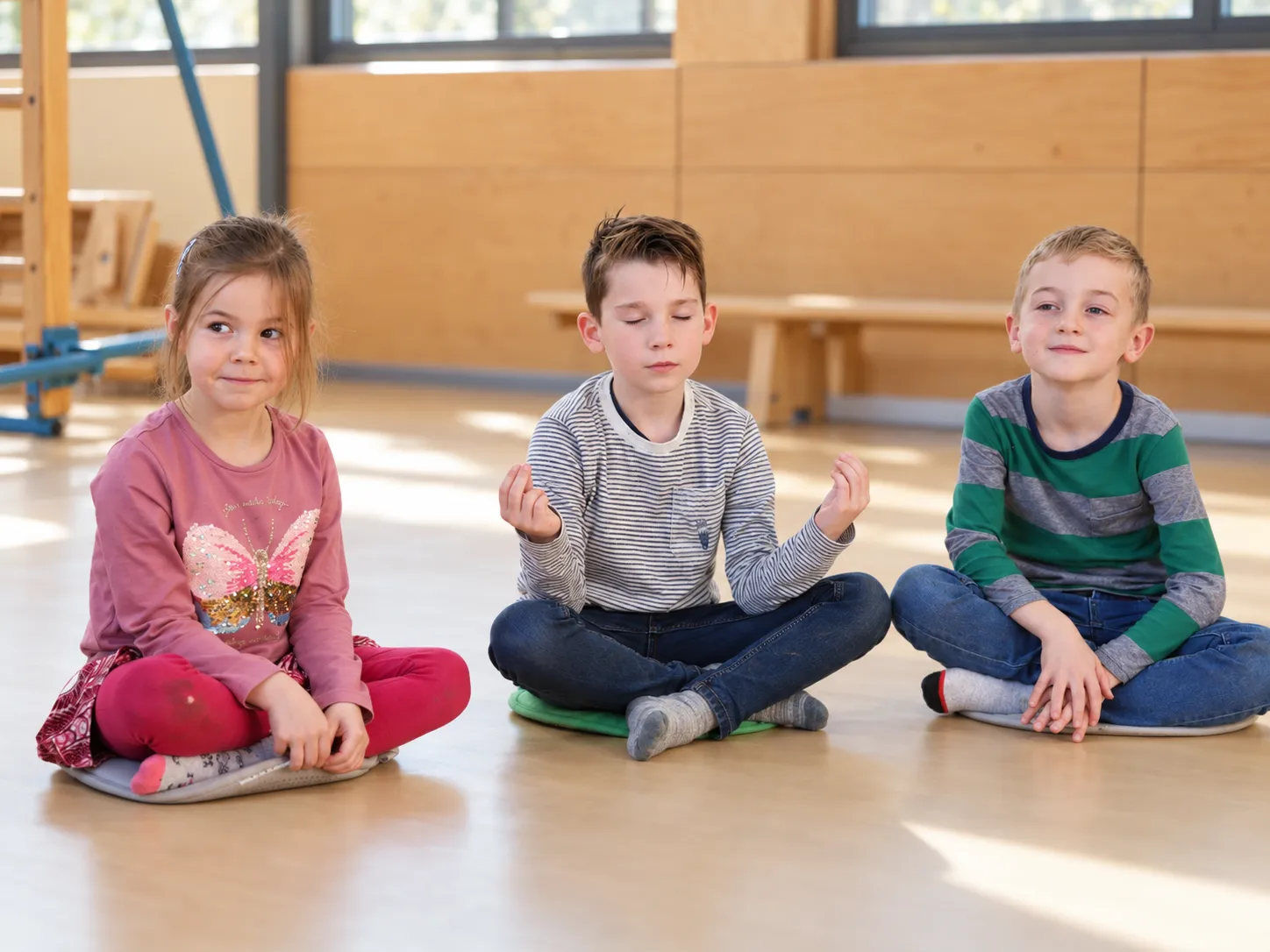
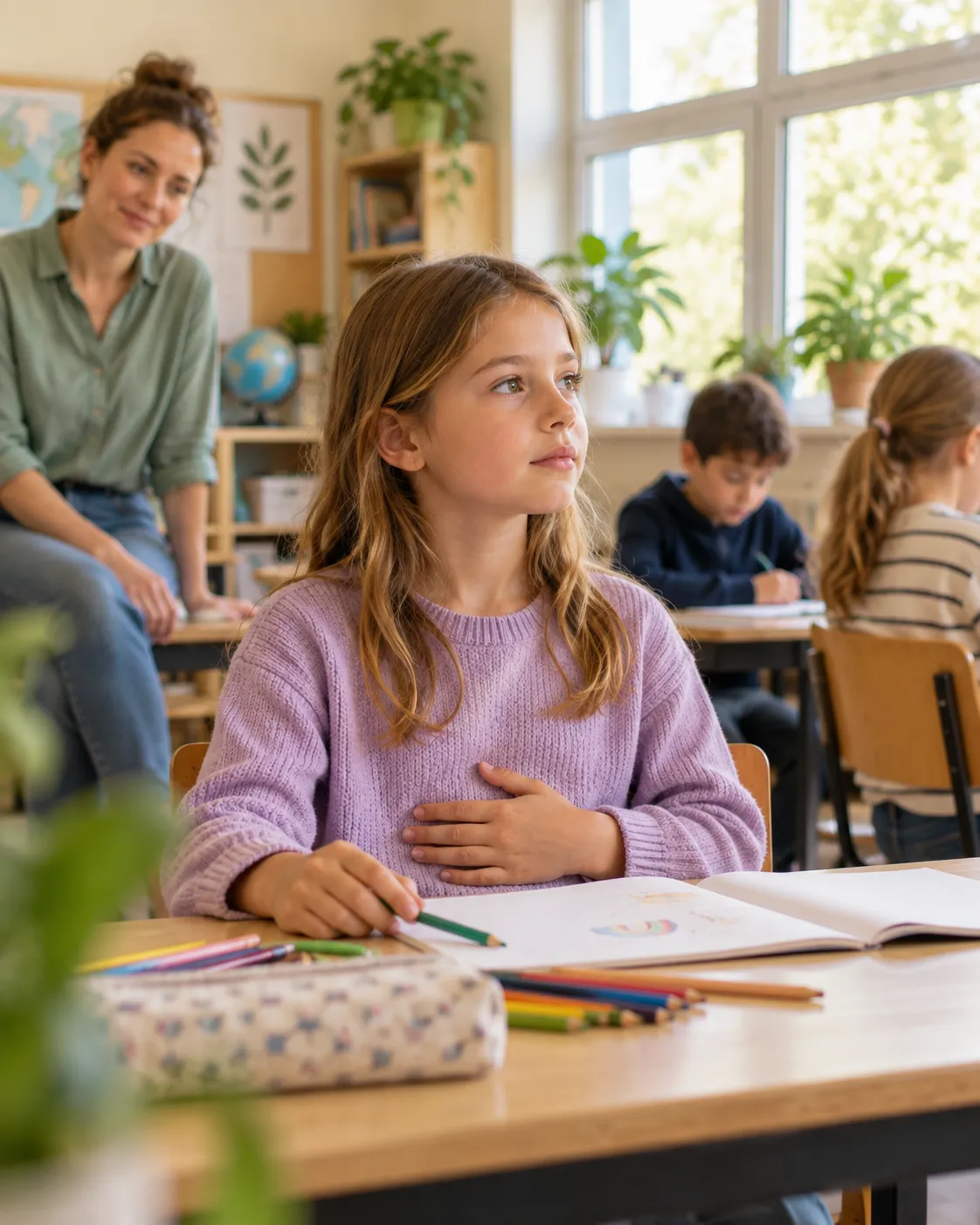
Children learn to recognise thoughts, feelings and tension before they are carried away by them. They practise pausing, noticing what is happening and choosing how to respond instead of reacting automatically.
For the team
A shared way of supporting children
Teachers develop a common language around attention, emotions and resilience, together with practical tools they can use in daily classroom life. Because what children practise is strengthened by the adults around them.
For the school
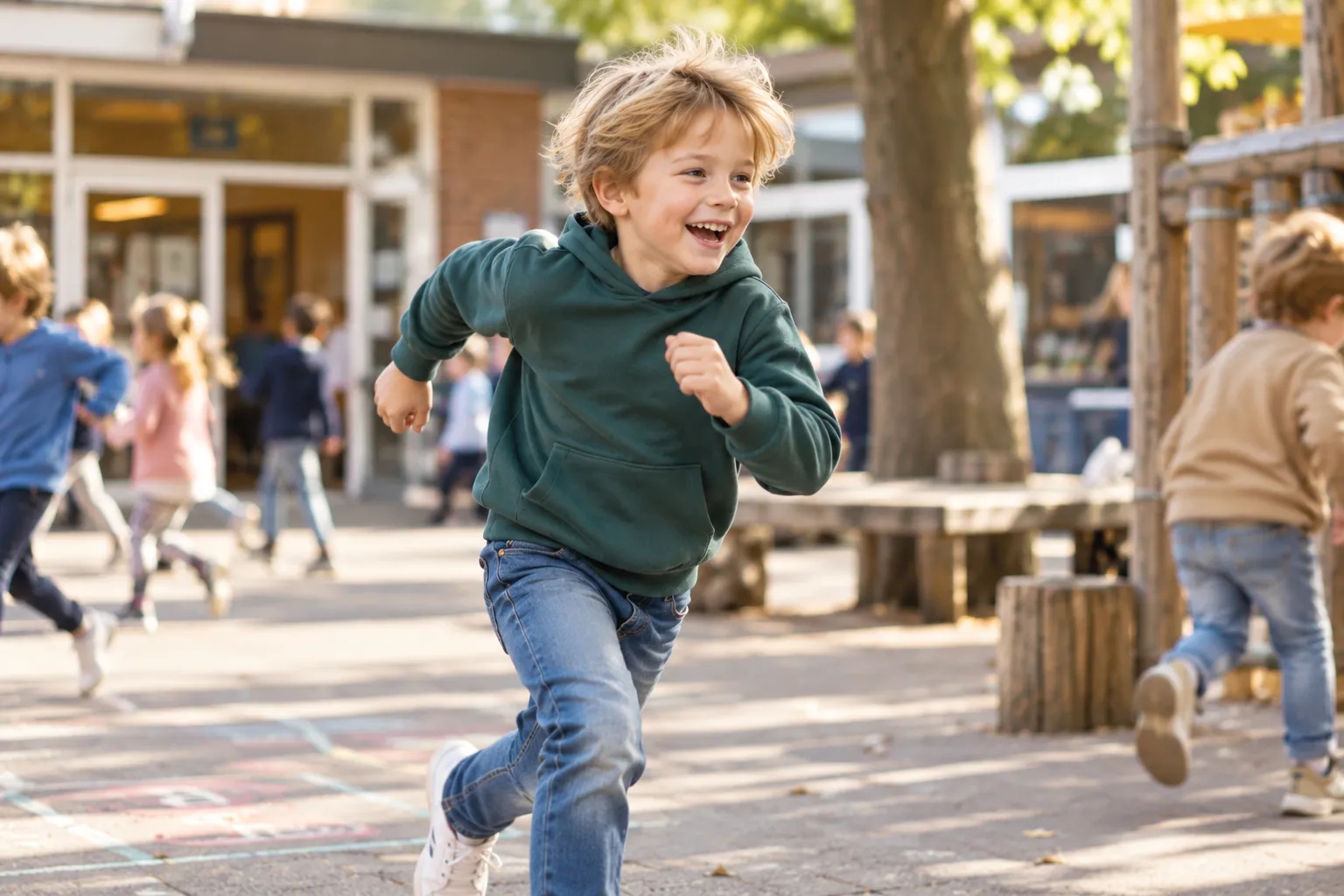
Part of everyday school life
Mindfulness becomes more than a separate lesson. It becomes part of how the school supports wellbeing, relationships, self-regulation and resilience throughout the day.
The quality mark
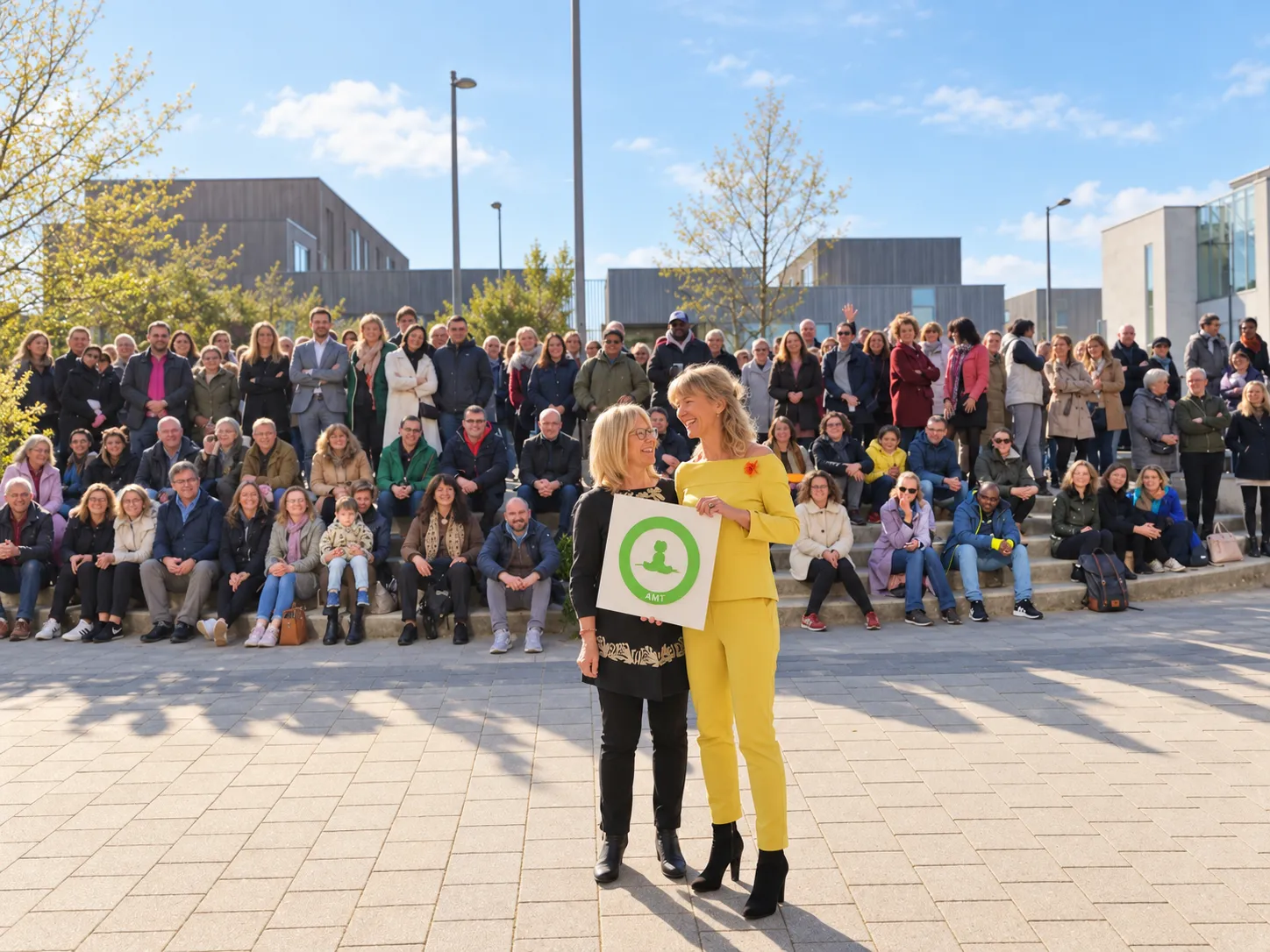
A visible sign of a Mindful School
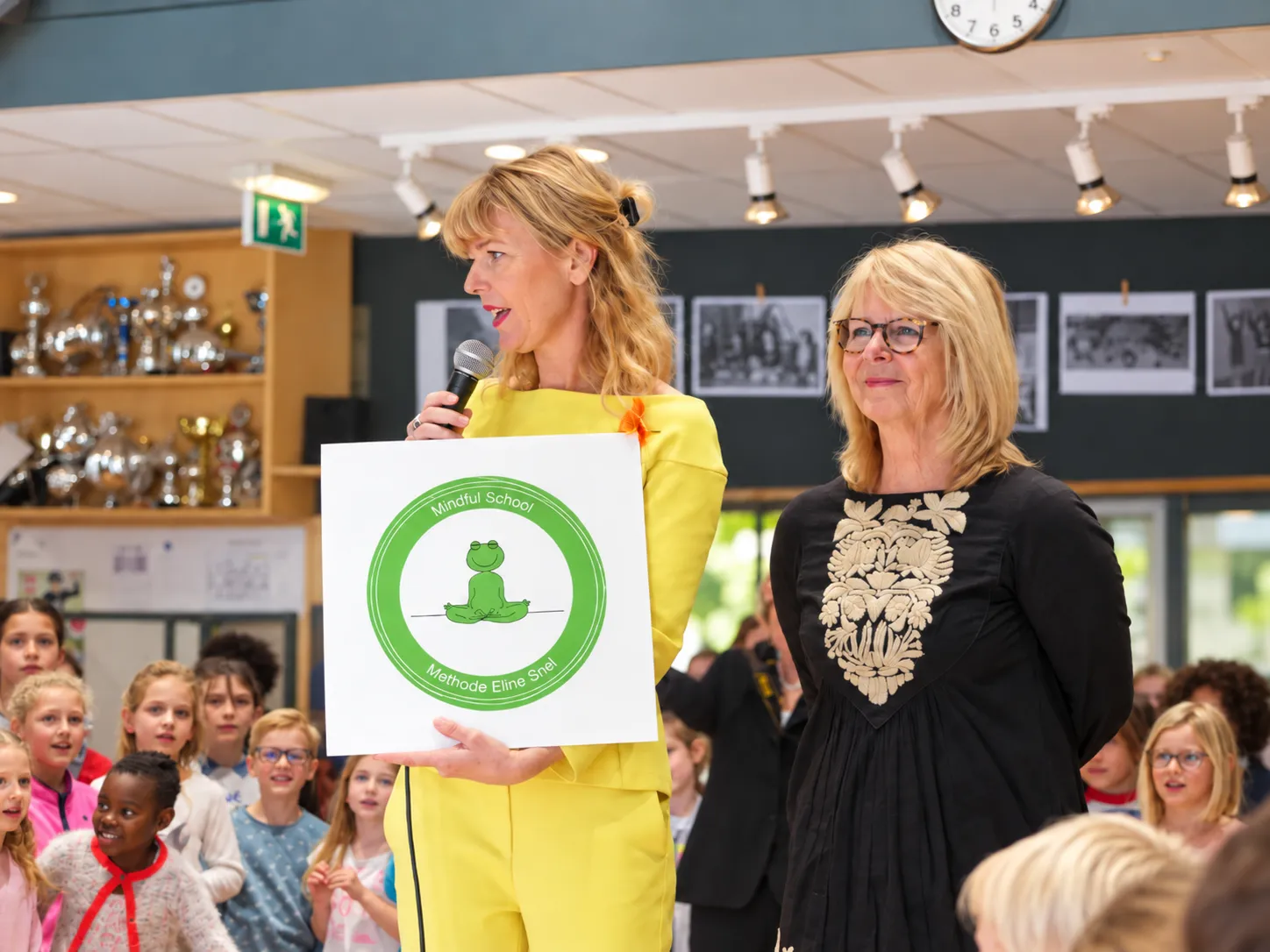
The frog mark shows parents, children and visitors that attention and resilience are not treated as an occasional project, but as part of everyday school life.
It represents a school where trained teachers bring the Eline Snel Method into their own classrooms, helping children practise attention, emotional awareness and conscious choice throughout the year.
The difference
Lasting change grows from within the school.
The strongest model is not to bring someone in for a few weeks and hope the effect lasts. It is to give your own teachers the knowledge, experience and confidence to carry the method themselves.
Year one
Year two
Year three
An external programme
A specialist comes in, teaches the sessions and leaves again.
Whether it continues depends on budget, availability and another external visit.
The programme may have disappeared, along with much of what was introduced.
A Mindful School
Teachers are trained and certified in the method and begin teaching it in their own classrooms.
Teachers use the method again, supported by regular practice and a shared approach across the school.
The knowledge stays in the school. Experienced teachers continue, new colleagues can be brought into the approach and mindfulness becomes part of everyday practice.
Each class follows the eight-week programme with a trained teacher, with short practices throughout the year to keep attention alive in everyday school life.
Case study
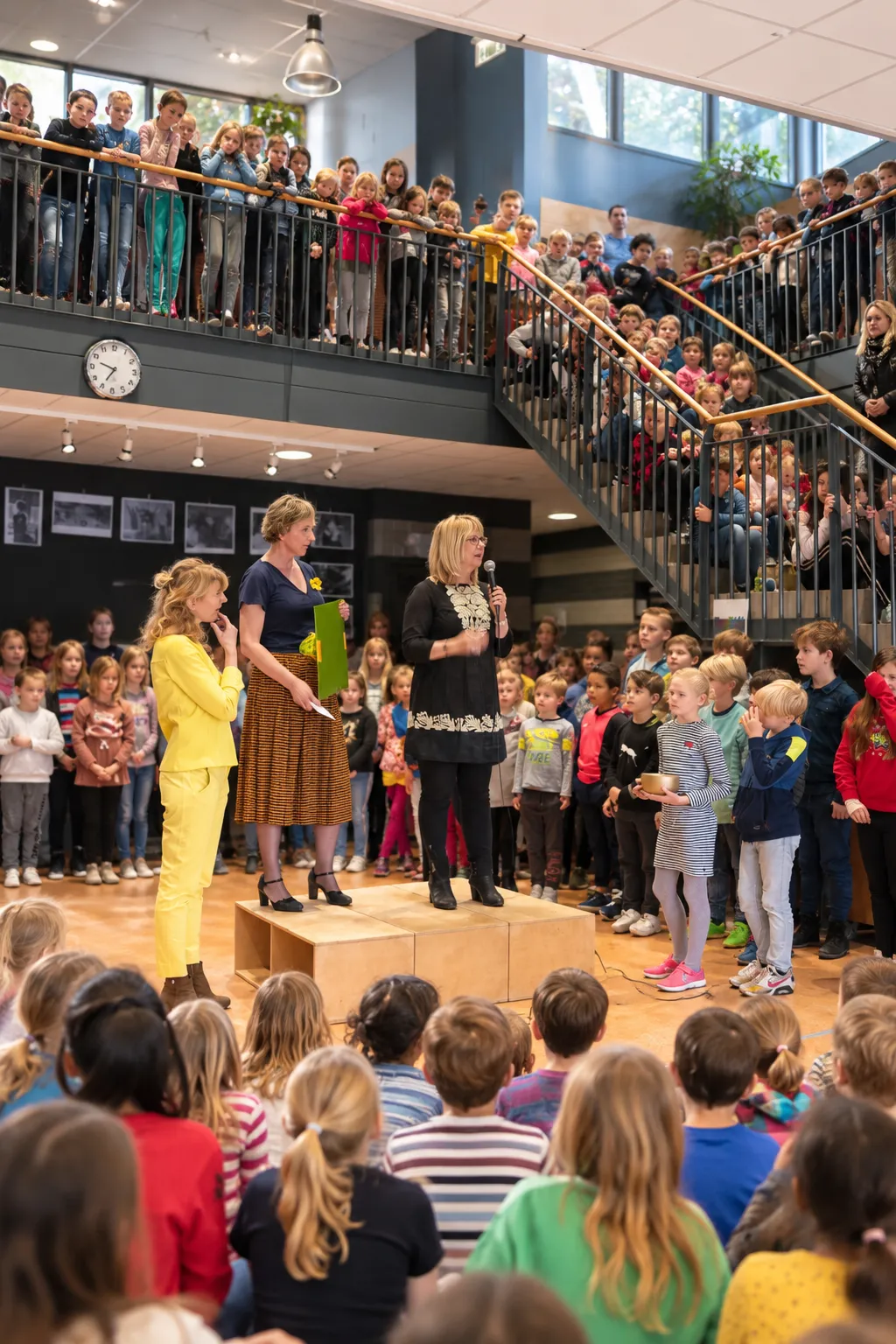
How mindfulness became part of everyday school life
At Willibrordschool in Amsterdam, mindfulness started with the teachers and gradually became part of the whole school. Today, attention training is embedded in the curriculum, teachers use it in daily practice and parents are invited to take part too.
Start with a conversation.
Every school is different. We would be happy to hear what is happening in yours, explain how the Mindful School approach works and explore what would fit your team. No fixed plan and no commitment. Just a first conversation.